Key Frequent Neurological Conditions and Their Management
- Imran Khan
- Jan 5
- 3 min read
Neurological conditions affect the brain, spinal cord, and nerves. These conditions can cause a wide range of symptoms. They may include headaches, weakness, numbness, memory problems, or seizures. Understanding these conditions helps in managing them effectively. I will explain some key frequent neurological conditions and how they are managed.
Understanding Frequent Neurological Conditions
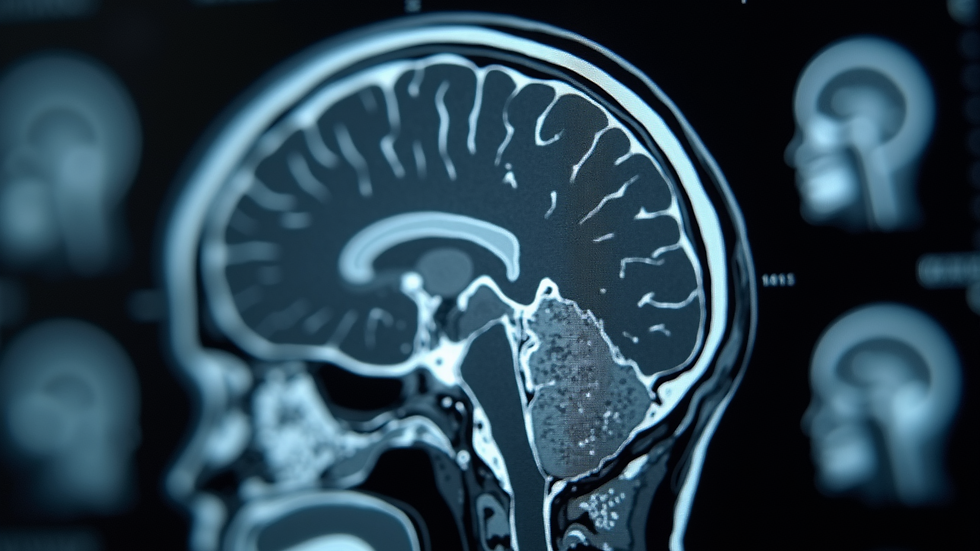
Neurological disorders vary in severity and type. Some are chronic, while others may be acute or temporary. Common symptoms include pain, loss of function, or changes in sensation. Early diagnosis is important for better outcomes. Doctors use clinical exams, imaging, and tests to identify the condition.
Some frequent neurological conditions include:
Stroke
Epilepsy
Multiple sclerosis
Parkinson’s disease
Migraine
Each condition has specific signs and treatment options. Knowing these helps patients and caregivers make informed decisions.
Stroke: Causes and Management
Stroke occurs when blood flow to the brain is interrupted. This can be due to a clot or bleeding. It causes sudden weakness, speech problems, or vision loss. Stroke is a medical emergency. Immediate treatment can reduce brain damage.
Management includes:
Emergency care - Use clot-busting drugs or surgery to restore blood flow.
Rehabilitation - Physical, occupational, and speech therapy help regain lost functions.
Prevention - Control blood pressure, diabetes, and cholesterol. Avoid smoking and maintain a healthy diet.
Patients need regular follow-up to monitor recovery and prevent another stroke.
Epilepsy and Seizure Control
Epilepsy causes repeated seizures due to abnormal brain activity. Seizures vary from brief lapses in attention to full-body convulsions. Diagnosis involves EEG tests and brain imaging.
Management focuses on:
Medication - Anti-epileptic drugs reduce seizure frequency.
Lifestyle changes - Avoid triggers like sleep deprivation and alcohol.
Surgery - In some cases, removing the seizure focus improves control.
Patients should work closely with their neurologist to adjust treatment as needed.

Multiple Sclerosis: Symptoms and Treatment
Multiple sclerosis (MS) is an autoimmune disease affecting the central nervous system. It causes nerve damage and disrupts communication between the brain and body. Symptoms include fatigue, numbness, and muscle weakness.
Treatment aims to:
Slow disease progression - Disease-modifying therapies reduce relapses.
Manage symptoms - Physical therapy and medications help with spasticity and pain.
Support mental health - Counseling and support groups assist with emotional challenges.
Regular monitoring is essential to adjust therapies and improve quality of life.
Parkinson’s Disease: Managing Movement Disorders
Parkinson’s disease affects movement due to loss of dopamine-producing brain cells. Symptoms include tremors, stiffness, and slow movements. Diagnosis is clinical, supported by response to medication.
Management includes:
Medication - Levodopa and other drugs improve motor symptoms.
Physical therapy - Exercises maintain mobility and balance.
Surgical options - Deep brain stimulation may help in advanced cases.
Patients benefit from a multidisciplinary approach involving neurologists, therapists, and caregivers.
Migraine: Identifying Triggers and Treatment
Migraine is a common neurological condition causing severe headaches. It may include nausea, light sensitivity, and visual disturbances. Identifying triggers like stress, certain foods, or hormonal changes is key.
Treatment strategies:
Acute treatment - Pain relievers and triptans stop attacks.
Preventive therapy - Medications reduce attack frequency.
Lifestyle adjustments - Regular sleep, hydration, and avoiding triggers help control migraines.
Keeping a headache diary can assist in managing this condition effectively.
Personalized Care for Neurological Health
Managing neurological conditions requires personalized care. Each patient’s symptoms and needs differ. I recommend:
Regular consultations with a neurologist.
Following prescribed treatment plans strictly.
Reporting new or worsening symptoms immediately.
Engaging in rehabilitation and lifestyle changes.
Seeking support from family and healthcare providers.
At Bridgewater Neurology, we focus on direct patient-doctor connections. This approach helps us diagnose and manage a wide range of neurological conditions effectively. We aim to be the trusted local choice for adults needing personalized neurological care.
For more information on common neurological conditions, visit our website.
This overview covers key frequent neurological conditions and their management. Understanding these helps in early detection and better treatment outcomes. If you experience neurological symptoms, seek professional evaluation promptly.


Comments